Every Name for the Same Dated Ceiling
Homeowners call it popcorn. Contractors of a certain era called it acoustic ceiling texture. Real-estate listings say “cottage cheese.” Older Albuquerque homes also carry stipple (brushed peaks), stomp (crow’s-foot patterns pressed with a texture brush), and swirl finishes. They’re all the same problem wearing different names: a dated, dust-trapping, un-cleanable ceiling surface between you and a modern room — and they all come off with the same wet-scrape process as a standard popcorn ceiling removal.
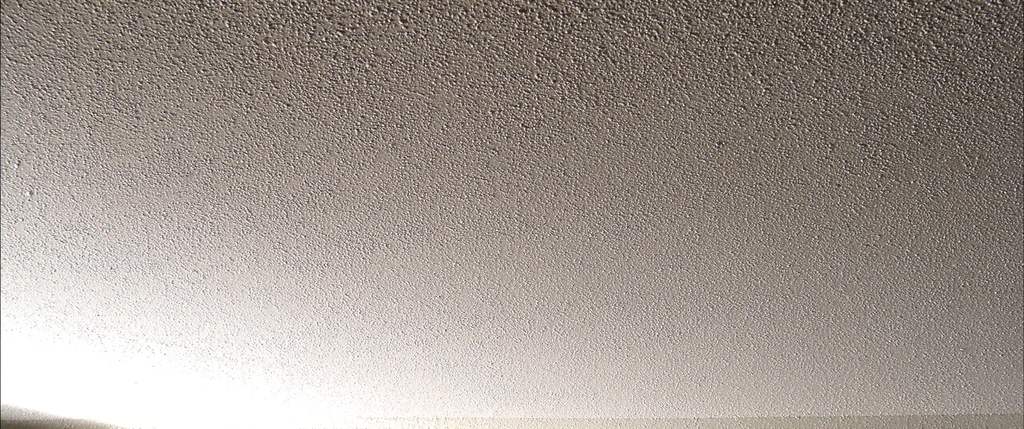
Scrape It Off, or Skim Over It?
Not every textured ceiling needs full removal. The decision comes down to depth and age:
- Heavy popcorn and deep stomp textures get scraped. There’s too much material to bury in compound — wet-soak and scrape to bare drywall, then skim.
- Shallow stipple and orange-peel-era textures can often be skim-coated over. Two or three thin coats of joint compound flatten the surface without a scrape — faster, less mess, and it leaves the old material undisturbed, which also makes it a legitimate route over an asbestos-positive ceiling.
- Pre-1980 texture of any style gets tested first. Same rule as popcorn: a lab sample before anyone disturbs it. Details on the asbestos page.
How Texture Removal Runs, Room by Room
The process mirrors a standard popcorn ceiling removal, because it is one. The room is emptied or the furniture is islanded and wrapped; floors and walls go under plastic; fixtures and ceiling fans come down. The texture is sprayed with water, allowed to soak — stipple and stomp textures usually soak faster than heavy popcorn — and scraped in long passes with wide blades. Then the part that separates a pro job from a weekend experiment: the entire ceiling is skim-coated, sanded, inspected under raking light, refinished, and primed. In a typical Albuquerque bedroom that’s a one-day removal plus finishing time; whole homes stage over several days.
Two things move texture removal timelines in this market specifically. First, painted texture — decades of repaints seal the surface, and a stomp ceiling under three coats of paint can take twice the labor of a virgin one. Second, era: the same pre-1980 testing rule that governs popcorn applies to every sprayed or stomped acoustic texture, so older ceilings start with a lab sample regardless of what style of texture is on them.
The Finish Is the Point
Texture removal is judged by the ceiling you’re left with. After scraping, the drywall gets skim-coated, sanded, and either left dead smooth or refinished in a modern knockdown or orange peel — your call, priced clearly. See retexturing options, or the cost guide for per-square-foot numbers. Free estimates anywhere in the Albuquerque metro: (505) 358-3651.